

Here at East Sussex Highways, our ecologist is responsible for helping to protect the environment across our planned projects.
With nearly all wildlife protected in the UK at different levels, the knowledge they have about environmental law is key to share information with project teams when planning works, ensuring that any restrictions for wildlife are understood and complied with.
An animal that can present certain challenges, mainly due to the time needed to reach a solution, is the badger. Badgers are protected in the UK under the Protection of Badgers Act 1992, which makes it illegal to harm, kill, disturb, or damage their habitats – commonly known as setts - with penalties including up to 6 months’ imprisonment and unlimited fines.
If proof of badger activity is found on site, all works within 30 metres of their habitat must stop straight away. This means no construction work, heavy machinery, vehicle access, or storing materials and equipment - the only thing that can be done is clearing plants using hand tools. Photos are taken, usually with a measure to show the scale of the sett. Any other signs such as fur, droppings, snuffle holes – where badgers dig for prey – and piles of soil must also be logged. This is then reported to our ecologist, who sets up a 30-metre 'exclusion zone' around the sett.
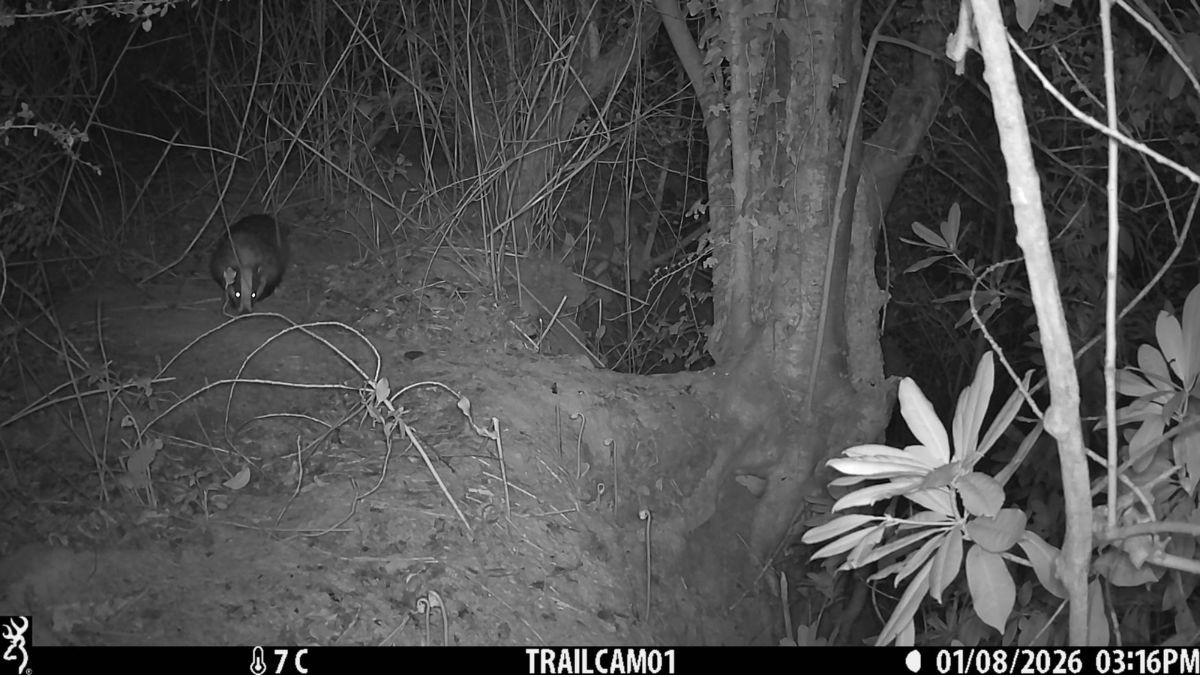
Next, the habitat must be monitored for 21 days using camera traps to confirm if badgers are present. If the footage shows that they are, then a licence is needed to close the sett and begin works – which can be tricky and time-consuming when finding a licenser. On top of this, if the habitat is classed as a main sett - one with several entrances that can be hundreds of years old – then to close it down, a man-made sett must be created within 100 metres, at least six weeks before the closure. Evidence is needed to prove the badgers are using the new sett, and the original sett must be monitored again for 21 days after being closed using one-way badger gates to make sure badgers are no longer using the sett before it is removed.
With the winter months ahead, it can become a race against the clock to get projects completed where there are badgers nearby. This is due to the upcoming badger breeding season, which begins in late Autumn. During this time, no ground works can happen within 30 meters of a badger sett, so it is important to complete planned works as soon as possible.
It's important to remember that this is a legal process that must be followed. At East Sussex Highways, our aim is always to cause zero harm to wildlife and keep disturbance to a minimum, by carefully following the correct processes before any work begins. Badgers play a very important role in our natural environment. Their behaviours, such as digging, foraging, and predation, have knock-on benefits for soil health, plant growth, prey population control, and habitat creation. Protecting badger populations is crucial for maintaining a balanced and diverse ecosystem.
Day to day, our ecologist is involved in permit writing – to outline potential risks, such as if the team were to encounter a particular animal – as well as briefing the project teams on what to expect on site from a wildlife perspective, and the actions to take if something unexpected happens once work begins. Camera trapping is another key part of the role, checking for species like badgers, but also measuring activity at key areas such as mammal burrows and bird nests.
Our ecologist is also on hand if something unexpected occurs on site. Recently, slow worms were unknowingly present on site hiding beneath some concrete slabs. The team paused works until they could inspect the situation further, by which time the slow worms had left and the works could go ahead as planned. As a keen birdwatcher, they always have one ear to the sky listening out for species, and have identified different birds numerous times on site and alerted the teams of the next steps to ensure they remain unaffected.
Ecology plays an enormous role in delivering highway improvements safely and responsibly. Careful monitoring and quick decision-making ultimately protect local wildlife, allowing ecosystems to thrive in East Sussex. It's a great example of how collaboration helps East Sussex Highways deliver projects that benefit both the local community and the natural environment.